Narratives.
Story strategy for the performing arts. Turn a season into something audiences want to step inside.
Narratives gives small arts teams the story strategy and campaign plan they don’t have the hours to build from scratch. One season, written for your organization.
Build my season plan →
Most arts marketing markets information.
Dates, casts, ticket links, artistic bios, an evening of. It is marketing aimed at people who already know they want to come.
Some people stay away not because they dislike the art, but because they aren’t sure they’d know how to belong there. Almost nobody in the field says that out loud, so we keep making prettier posters.
Lower the social friction without lowering the art.
People engage once they feel confident enough to. And nobody connects to information first. They connect to feeling.
Not understanding the work.
Not knowing the etiquette, or the context.
Feeling culturally out of place.
Worrying they won't get it.
Not knowing what to expect.
Achieved with a small in-house team, which is exactly the situation this service is built for.
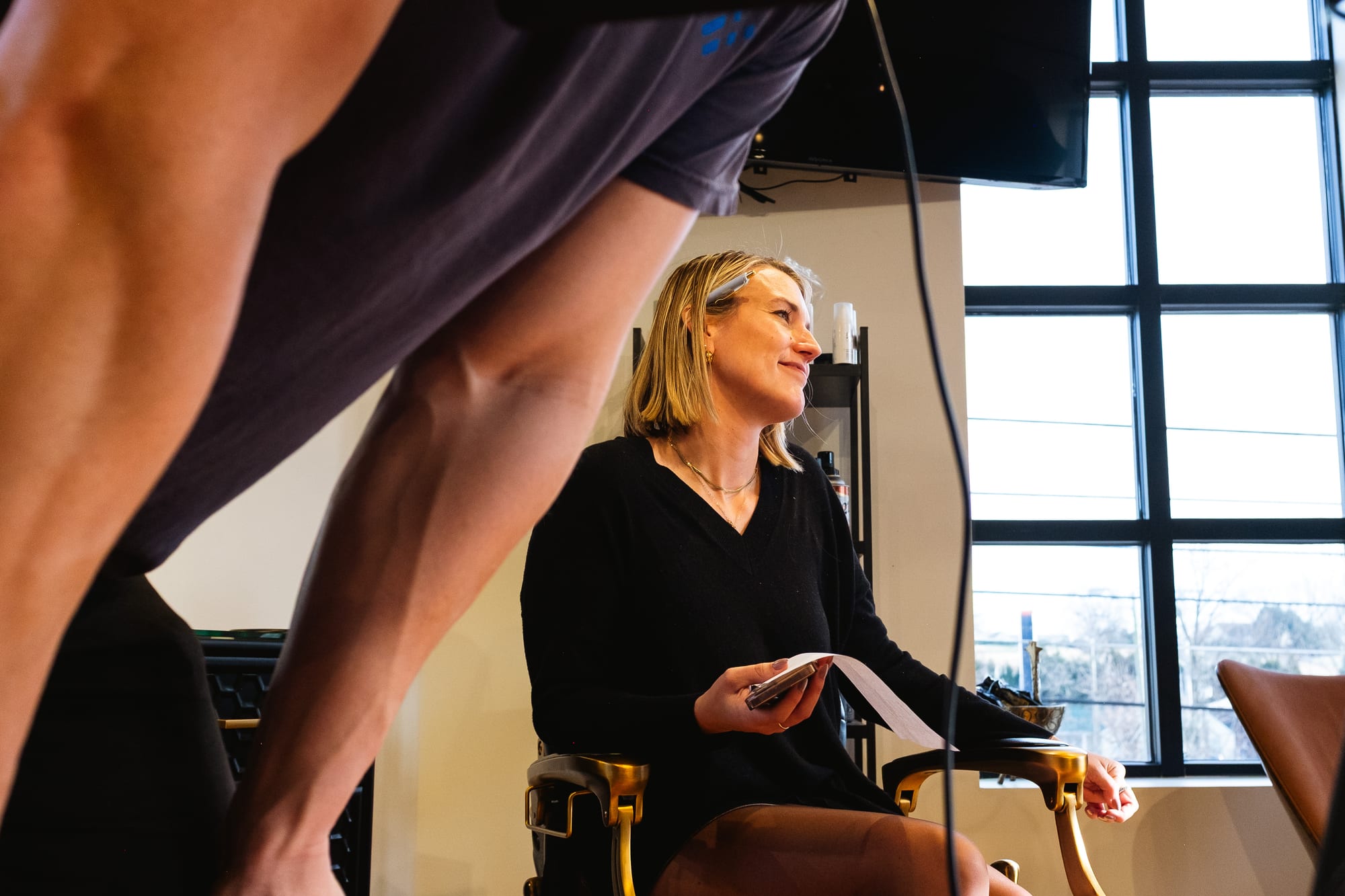
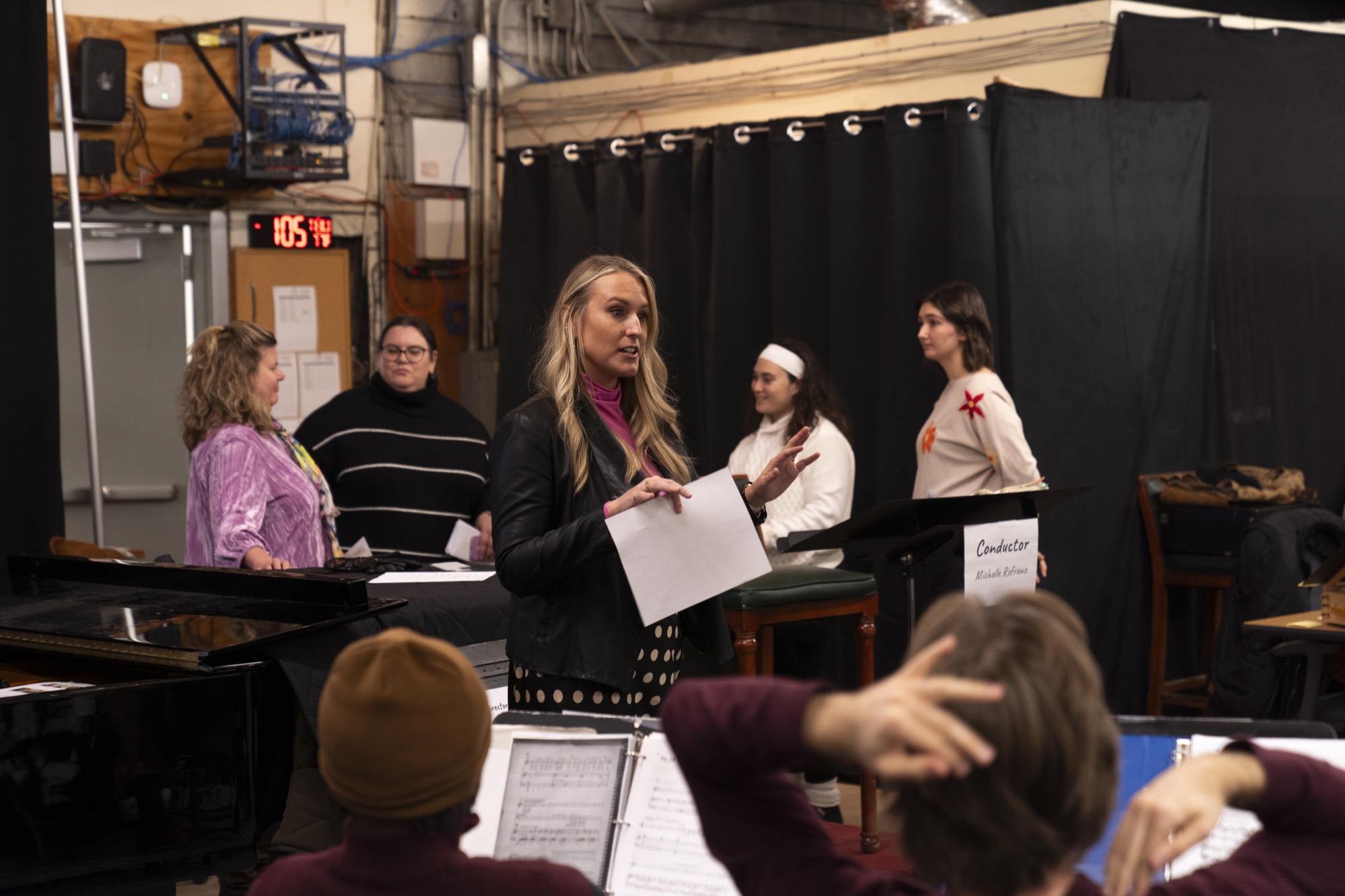
Three steps, one season.
What the work looks like from your side.
What you're producing, who you want to reach, what your audience already understands, and where the friction actually is.
The Narratives framework locates the emotional entry point, the world, the audience bridge, the momentum, and the invitation.
The strategy becomes the plans, creative direction, messaging, and tools that will actually help you execute the season.
Five movements, one experience.
The three steps are the process. These five movements shape the thinking underneath it. Nothing gets written until every one is answered.
The human truth at the center of the work, and the reason it matters to someone who has never heard of it.
The atmosphere and cultural register of the production, treated as a world to inhabit rather than a program to attend.
The invisible thresholds come down. Language, ritual, expectation: the things that quietly keep newcomers at a distance.
The months and the minutes before curtain, shaped so the audience feels carried rather than marketed to.
The reason this work exists in this season, in this city, in this cultural moment.
A framework, not a formula.
Every Narratives engagement is built around a core set of strategic deliverables, then shaped to the needs of your season, team, and audience.
Where people are getting stuck, what barriers are shaping behavior, and where the clearest opportunities are.
The emotional center of the season, and the story that connects the work to the audience.
The atmosphere, aesthetic direction, tone, and creative world the campaign should live in.
How the season builds over time, including campaign rhythm, audience onboarding, urgency, and return invitations.
Where marketing resources should work hardest, and what deserves priority, amplification, or restraint.
Depending on the organization, the package may also include campaign messaging, production concepts, content direction, audience guides, or launch plans: whatever it takes to make the strategy usable.
One season strategy, start to finish.
Not a preview of what yours will look like, but a sense of how far the thinking goes.
Schicchi was the last campaign of my tenure, so it’s the clearest look at the full method. The results above come from the four seasons before it.
Gianni Schicchi is a one-act comedy about a family scheming over a will. A hard sell to anyone who’s never bought an opera ticket. So the campaign didn’t sell the opera. The synopsis became a lunch between friends. The characters gave reality-TV confessionals, in costume. The people who made it sat down for a Behind the Music conversation, for anyone who wanted to go deeper.
Underneath sat the whole package: the audit, the narrative strategy, the visual world, the momentum map, the budget, and copy written for the production itself. Then the unglamorous half that makes it real: the shot list, the cast and crew list, the hour-by-hour media day schedule, and a dated posting plan across social, email, and YouTube.
The strategy doesn’t stop at language. It gets made.
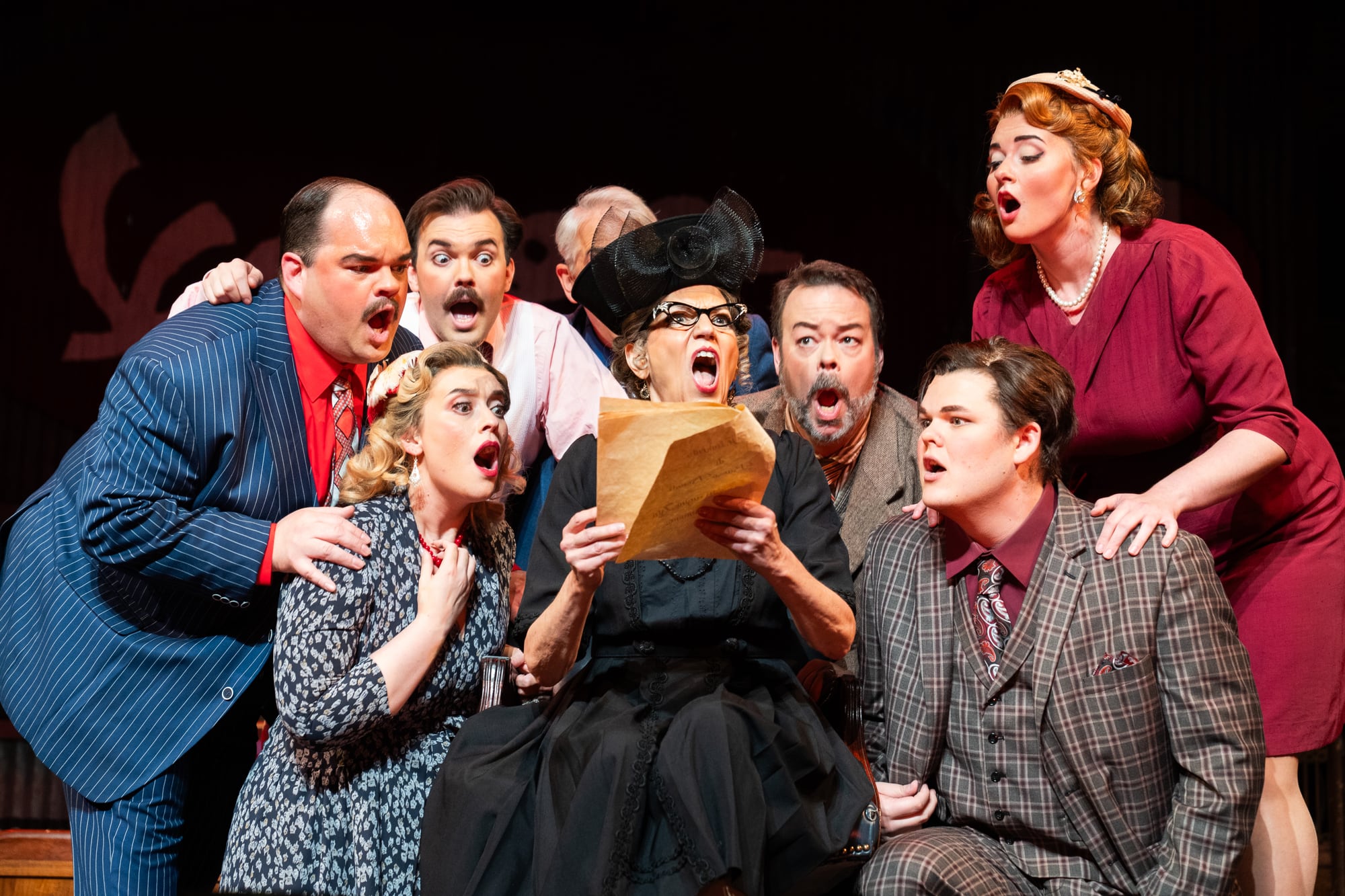
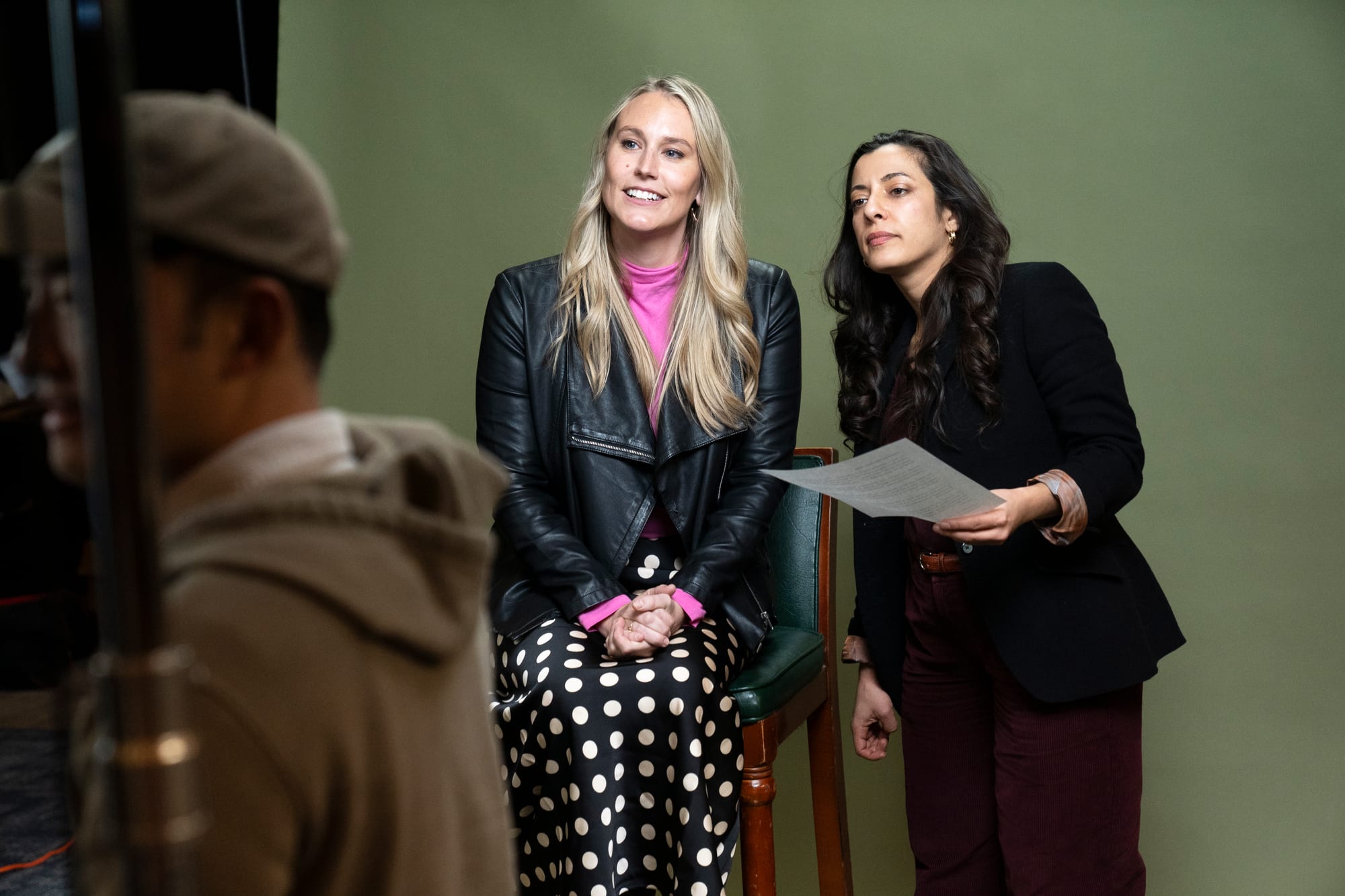
This isn’t theory turned into a product. It’s a working practice written down.
Years inside performing arts administration: running the marketing, casting the shoots, arguing about the poster, and watching what actually moved first-time ticket buyers. The method came out of that work, not from outside the field looking in.
Anyone can generate arts marketing copy now. Almost nobody selling into this field has sat inside the season and watched what makes a newcomer decide to come.
It removes thresholds, not depth.
Volume isn't the point. The right emotional entry point is.
Irreverent about the framing, never about the work.
The strategy layer between the art and the audience.
Small and mid-size regional opera, symphony, ballet, theatre, and festival organizations. Real seasons, real repertoire, and not enough internal capacity to build the full story from scratch.
Carrying an entire season on a team of one or two. Not short on ideas. Short on hours, and on a system.
Repositioning an organization for a new audience, a new civic relationship, or a new era.
Connecting what happens on the stage to what happens in the room, and in the city.
Shaping how the audience and the artist actually meet.
But the person it’s really for is the one who has never been, and quietly assumes it isn’t for them.
What working together looks like.
Designed around the specific repertoire, audience, team, and challenges in front of you.
Every engagement uses the Narratives framework, but the final tools and scope are shaped around what your organization actually needs.
You provide the season context, the goals, the audience information, and the constraints. I do the strategic build.
Every engagement starts with a defined scope and delivery date, so both sides know what's due and when. The timeline scales with the size of the work.
Come find me after the show.
Have a story worth telling, a room worth gathering, or something interesting you’re building?
Twenty minutes, on a call: a season, a story, or whatever you’re making. Not a sales pitch, and not for everyone, but if that sounds like you, let’s talk.